Click a topic for a quick guide.
Around ten quick questions that adapt to your answers. You get an action plan in order of urgency, the documents to gather, and the service that fits what you need.
Your Total Reward Statement (TRS) shows your membership status if you are unsure.
Tapered allowances, McCloud choices, practitioner earnings and partial retirement all bring scheme rules and tax together. We look at both at once, so one choice does not undo another. Here is how working with us runs, from first contact to ongoing support.
It starts with a short online registration. You tell us about your NHS employment, your health board and what you want to understand, from partial retirement to a letter about your annual allowance. Your answers shape everything that follows.
Our guides and videos are general information, not financial advice. Rules and allowances can change after publication.
 Your Essential Guide to Inheritance Tax
Read More
 A Clear Guide to the 2015 Pension Scheme
Read More
 A Clear Guide to the 1995/2008 Pension Scheme
Read More
We provide guidance to NHS pension members across the following Health Boards, Trusts, and regions. If your employer is not listed, please get in touch. We are likely still able to help.

We help NHS health boards, hospitals, GP practices, clinics and other NHS employers set up a salary-sacrifice scheme for their staff. The service is designed to be timely and to save administrative time for employers and their staff.
| Tax rate | Fee | Tax | NI | Tax/NI savings |
|---|---|---|---|---|
| Basic Rate | £500 | £100 | £40 | £140 |
| High Rate | £500 | £200 | £10 | £210 |
| Additional Rate tax | £500 | £225 | £10 | £235 |
Figures are illustrative only and depend on the assumptions behind them, including the tax and National Insurance rates for the year and each employee’s own circumstances. Tax rules can change. This is general information, not financial advice, and is subject to compliance approval.
What NHS clients say about working with us.
He carried out a detailed analysis of my pension options, advised me on the appropriate level of lump sum to take, and helped me complete the AW8 and partial retirement forms.
Explained everything, made the process simple and less stressful.
Very approachable and knowledgeable. He gives honest advice
Comprehensive analysis of the current situation. Detailed options appraisal and modelling of different scenarios.
I am very satisfied with the pension analysis and particularly with how efficiently everything was completed within the required timeframe.
He is knowledgable. Professional and friendly approach
The McCloud remedy removes the age discrimination found in the 2015 NHS pension reforms. Service between 1 April 2015 and 31 March 2022 has moved back into the 1995/2008 Scheme. When you take your pension, you choose whether to keep 1995/2008 benefits or take 2015 Scheme benefits for that period. Retired members make the choice from a Remediable Service Statement. It applies if you were in the scheme on or before 31 March 2012 and had service during the remedy period.
A Remediable Service Statement (RSS) is about your benefits. It sets out both options for the remedy period so you can choose. A Remediable Pension Savings Statement (RPSS) is about tax. It restates your pension growth for 2015/16 to 2022/23, which can change your annual allowance position for those years.
The annual allowance is the amount your pension savings can grow in a tax year before a tax charge applies. The standard allowance is £60,000. If your threshold income is over £200,000 and your adjusted income is over £260,000, it is reduced by £1 for every £2 of income above £260,000, down to a minimum of £10,000. Unused allowance from the previous three tax years can usually be carried forward.
Scheme Pays lets NHS Pensions pay your annual allowance charge to HMRC. The amount, plus interest, is taken from your pension when you retire. Elections are due by 31 July in the year after the tax year ends, and you still declare the charge on your Self Assessment return.
Yes, from age 55. You can take between 20% and 100% of your pension and keep working, as long as your pensionable pay falls by at least 10% for at least 12 months and your employer agrees. You can do this up to two times before you retire fully.
A contingent decision is a choice you made because of the 2015 reforms, such as opting out or stopping an Added Years or Additional Pension contract, between 1 April 2015 and 31 March 2022. You can ask NHS Pensions to reverse it. For opted out service you receive a quote, and you have 12 months from its date to return the payment form.
Each section has its own normal pension age: 60 in the 1995 section, 65 in the 2008 section, and your State Pension age or 65, whichever is later, in the 2015 Scheme. You can usually take your pension from 55, with a reduction for early payment.
You do not have to use one. Advice helps most when a decision is hard to undo, such as your McCloud choice, a buy-back or your retirement date. The NHS Cost Claim Back Scheme can repay up to £500 including VAT of financial advice on your McCloud choice, if you meet its conditions. Your initial consultation with us is free and on a no-obligation basis.
Answers are general information based on the England and Wales scheme rules, not financial advice. Figures and allowances can change.
Your initial consultation is free and on a no-obligation basis. The value of pensions can fall as well as rise.
Click a topic for a quick guide.
The McCloud remedy removes the age discrimination in the 2015 pension reforms. Your service from 1 April 2015 to 31 March 2022 has moved back into the 1995/2008 Scheme.
Remediable Service Statement (RSS). This sets out your benefits for those years under both schemes, so you can choose which to keep: 1995/2008 or 2015. If you have not yet retired, you make the choice when you take your pension.
Remediable Pension Savings Statement (RPSS). This restates your pension growth for 2015/16 to 2022/23. The new figures can change your annual allowance position for those years, so HMRC may owe you a refund or you may owe more tax.
It applies if you were in the scheme on or before 31 March 2012 and had NHS service during the remedy period, with no break of more than five years. The NHS Cost Claim Back Scheme can repay up to £500 including VAT of financial advice on your choice, and up to £1,000 including VAT of help with your tax adjustment, if you meet its conditions.

Our McCloud Remedy Service covers your RPSS, including the HMRC Digital Service submission where needed, with step-by-step guidance on your McCloud options.General information, not financial advice. Your initial consultation is free and on a no-obligation basis.
If you opted out of the scheme, or cancelled an Added Years or Additional Pension contract, because of the 2015 reforms, you can ask NHS Pensions to reverse that decision. This is called a contingent “buy-back” decision.
For opted out service, NHS Pensions sends a quote showing what it would cost to buy the service back, including interest, and the benefits you would gain.

Our Contingent Decisions Service reviews your case, with optional step-by-step Contingent Decision Application guidance.General information, not financial advice. Your initial consultation is free and on a no-obligation basis.
Your NHS pension may come from more than one section, and each has its own rules. Normal pension age is 60 in the 1995 Section, 65 in the 2008 Section, and your State Pension age or 65, whichever is later, in the 2015 Scheme.
Our NHS Pension Analysis calculates your current benefits and projects them to retirement, including standard benefits, the maximum lump sum option and the net monthly pension for both. It also summarises your tax position against the annual allowance, assesses the impact of using Scheme Pays, and models your McCloud choices at retirement.

Our NHS Pension Analysis is built around the goals you share with us when you register.General information, not financial advice. Your initial consultation is free and on a no-obligation basis.
From age 55 you can take between 20% and 100% of your NHS pension and carry on working. This is partial retirement.
Your pensionable pay has to fall by at least 10% for at least 12 months, and your employer has to agree. You can do this up to two times before you retire fully, and you can keep building pension on the work you still do.
The minimum pension age is due to rise from 55 to 57 in April 2028. Some members keep a protected age, so check how this affects you.

Our NHS Pension Analysis projects your benefits and models your choices at retirement.General information, not financial advice. Your initial consultation is free and on a no-obligation basis.
You can take your NHS pension and return to NHS work after a break of at least 24 hours. If you have more than one NHS post, the break applies to all of them. The old rule limiting you to 16 hours a week in the first month has been removed.
Since 1 April 2023 you can rejoin the scheme when you return and build more pension in the 2015 Scheme, up to age 75. Abatement was also removed from 1 April 2023 for members with Special Class or Mental Health Officer status, and for those who claim age retirement benefits before 60.
You make your McCloud choice and decide your lump sum when you claim, so both are part of the decision. Agree your return with your employer before you retire.

Our NHS Pension Analysis projects your benefits and models your choices at retirement.General information, not financial advice. Your initial consultation is free and on a no-obligation basis.
NHS Pensions sends a Pension Savings Statement (Annual Allowance Statement), the “dreaded brown envelope”, by 6 October if your NHS pension grew by more than the £60,000 standard annual allowance in the last tax year. Growth above the allowance you have available is taxed at your marginal rate. If your threshold income is over £200,000 and your adjusted income is over £260,000, your allowance is tapered, down to £10,000.
Scheme Pays lets NHS Pensions pay the charge to HMRC for you, with the amount taken from your pension when you retire and interest added until then. The scheme must offer it when your charge is over £2,000 and your NHS pension growth alone is above the standard allowance. Otherwise you may be able to use voluntary Scheme Pays, which has its own deadlines.
Unused allowance from the previous three tax years can usually be carried forward. Either way, you still declare any charge on your Self Assessment return.

Our Annual Allowance Support Calculation Service confirms your pension input amounts, any carry forward and any excess. Our NHS Pension Analysis assesses the impact of using Scheme Pays.General information, not financial advice. Your initial consultation is free and on a no-obligation basis.
Around ten quick questions that adapt to your answers. You get an action plan in order of urgency, the documents to gather, and the service that fits what you need.
{{ hcHint }}
Change anything that is not right. Your plan updates with it.
Also worth a look:
This NHS Pension MOT picks out priorities from your answers. It has not seen your figures and is general information, not financial advice or a personal recommendation. The value of pensions can fall as well as rise. Tax rules, allowances and charges can change, and how they affect you depends on your circumstances. Our services and fees are confirmed in writing before you commit.
Tapered allowances, McCloud choices, practitioner earnings and partial retirement all bring scheme rules and tax together. We look at both at once, so one choice does not undo another. Here is how working with us runs, from first contact to ongoing support.
{{ jrBody }}
Our guides and videos are general information, not financial advice. Rules and allowances can change after publication.
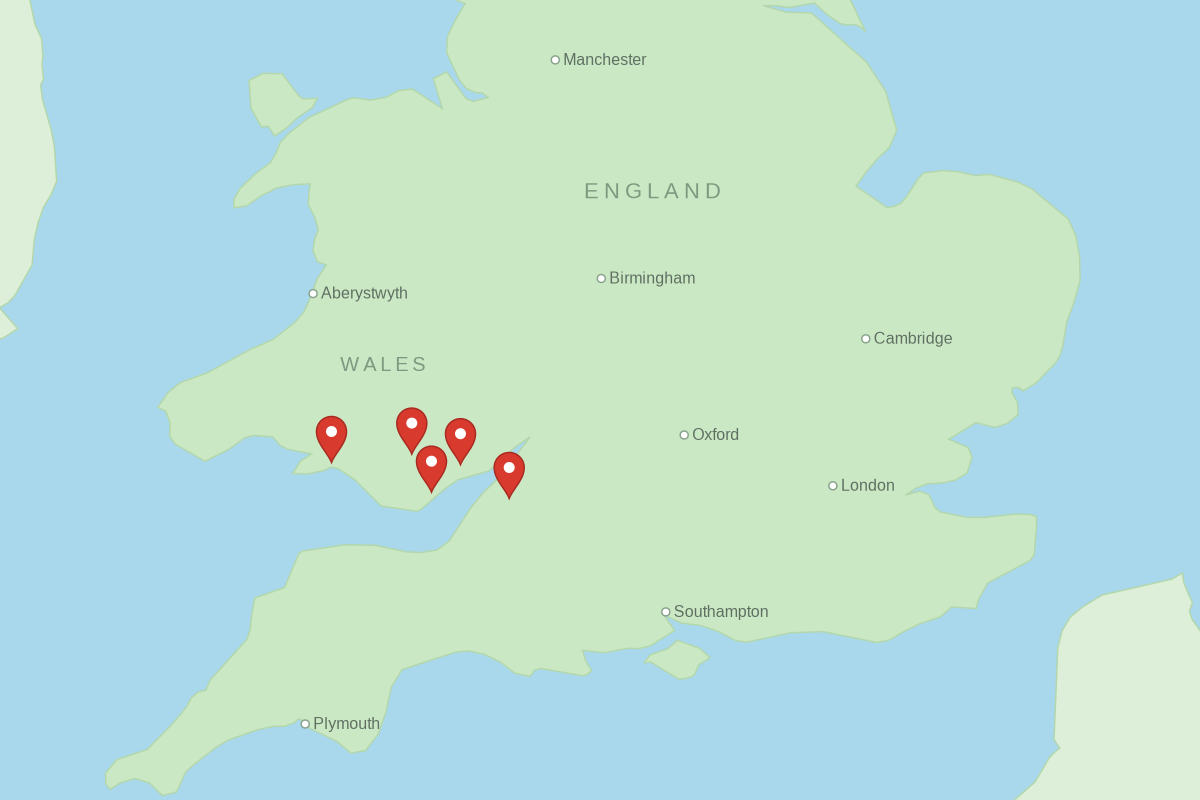
We provide guidance to NHS pension members across the following Health Boards, Trusts, and regions. If your employer is not listed, please get in touch. We are likely still able to help.
We help NHS health boards, hospitals, GP practices, clinics and other NHS employers set up a salary-sacrifice scheme for their staff. The service is designed to be timely and to save administrative time for employers and their staff.
| Tax rate | Fee | Tax | NI | Tax/NI savings |
|---|---|---|---|---|
| Basic Rate | £500 | £100 | £40 | £140 |
| High Rate | £500 | £200 | £10 | £210 |
| Additional Rate tax | £500 | £225 | £10 | £235 |
Figures are illustrative only and depend on the assumptions behind them, including the tax and National Insurance rates for the year and each employee’s own circumstances. Tax rules can change. This is general information, not financial advice, and is subject to compliance approval.
What NHS clients say about working with us.
{{ rv.quote }}
{{ rv.quote }}
The McCloud remedy removes the age discrimination found in the 2015 NHS pension reforms. Service between 1 April 2015 and 31 March 2022 has moved back into the 1995/2008 Scheme. When you take your pension, you choose whether to keep 1995/2008 benefits or take 2015 Scheme benefits for that period. Retired members make the choice from a Remediable Service Statement. It applies if you were in the scheme on or before 31 March 2012 and had service during the remedy period.
A Remediable Service Statement (RSS) is about your benefits. It sets out both options for the remedy period so you can choose. A Remediable Pension Savings Statement (RPSS) is about tax. It restates your pension growth for 2015/16 to 2022/23, which can change your annual allowance position for those years.
The annual allowance is the amount your pension savings can grow in a tax year before a tax charge applies. The standard allowance is £60,000. If your threshold income is over £200,000 and your adjusted income is over £260,000, it is reduced by £1 for every £2 of income above £260,000, down to a minimum of £10,000. Unused allowance from the previous three tax years can usually be carried forward.
Scheme Pays lets NHS Pensions pay your annual allowance charge to HMRC. The amount, plus interest, is taken from your pension when you retire. Elections are due by 31 July in the year after the tax year ends, and you still declare the charge on your Self Assessment return.
Yes, from age 55. You can take between 20% and 100% of your pension and keep working, as long as your pensionable pay falls by at least 10% for at least 12 months and your employer agrees. You can do this up to two times before you retire fully.
A contingent decision is a choice you made because of the 2015 reforms, such as opting out or stopping an Added Years or Additional Pension contract, between 1 April 2015 and 31 March 2022. You can ask NHS Pensions to reverse it. For opted out service you receive a quote, and you have 12 months from its date to return the payment form.
Each section has its own normal pension age: 60 in the 1995 section, 65 in the 2008 section, and your State Pension age or 65, whichever is later, in the 2015 Scheme. You can usually take your pension from 55, with a reduction for early payment.
You do not have to use one. Advice helps most when a decision is hard to undo, such as your McCloud choice, a buy-back or your retirement date. The NHS Cost Claim Back Scheme can repay up to £500 including VAT of financial advice on your McCloud choice, if you meet its conditions. Your initial consultation with us is free and on a no-obligation basis.
Answers are general information based on the England and Wales scheme rules, not financial advice. Figures and allowances can change.
Your initial consultation is free and on a no-obligation basis. The value of pensions can fall as well as rise.